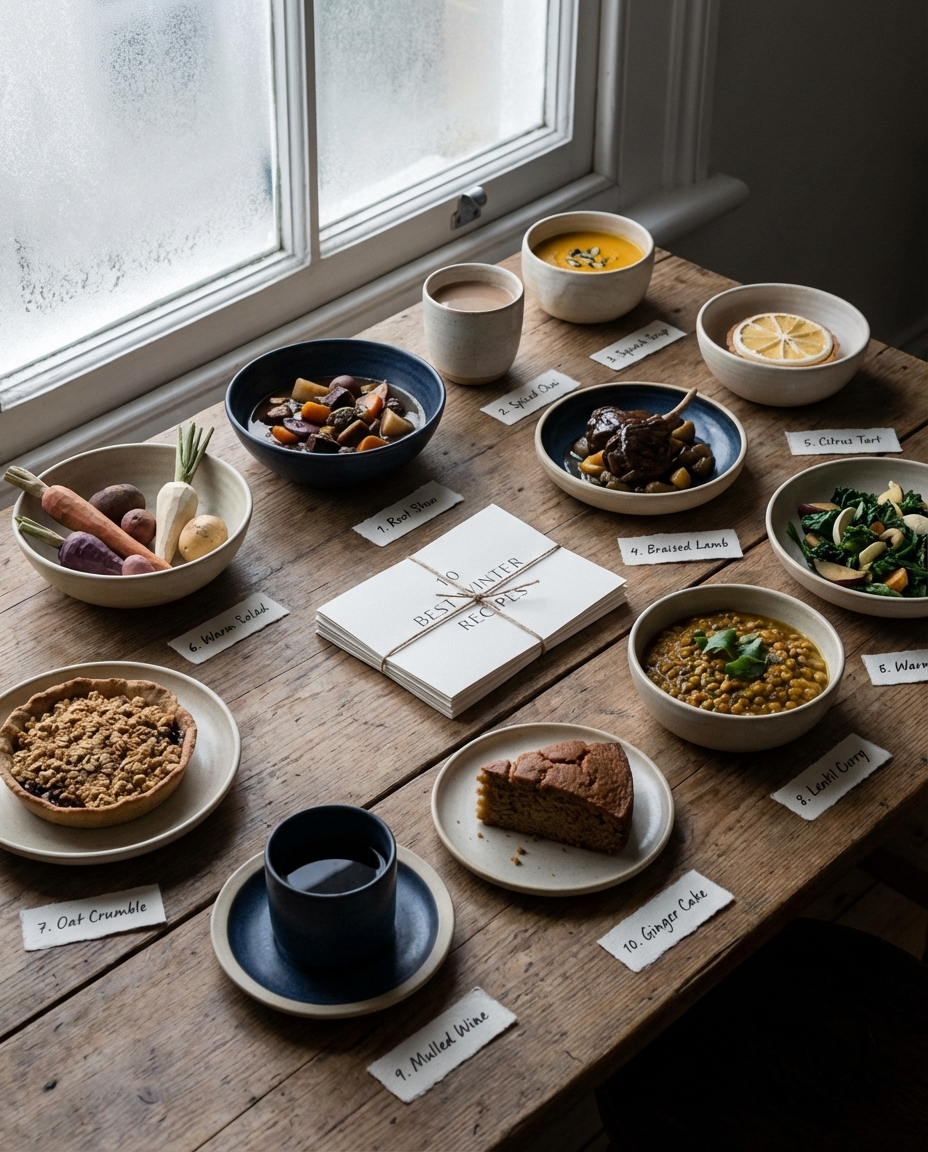
There is a distinct science to winter survival. It involves thermal regulation, caloric density, and the psychological impact of aroma. While we cover the liquid dynamics of warming up in our guide to Hearty Soups & Stews for Cold Nights, there is something uniquely stabilizing about a solid, baked casserole. It is food with weight, substance, and a golden-brown crust that promises protection against the elements.
The Foundation: Seasonal Root Vegetables
In the philosophy of our Ultimate Guide to 10 best winter recipes, we emphasize cooking in rhythm with the environment. Winter is the season of the root—vegetables that store energy underground are exactly what our bodies crave when the snow falls.
Forget the notion that casseroles are merely vessels for leftovers. A modern winter casserole is a deliberate construction of texture and flavor. We look to the forest floor for inspiration: earthy mushrooms, woody herbs like rosemary and thyme, and the sweet resilience of caramelized onions.
The Root Vegetable Gratin
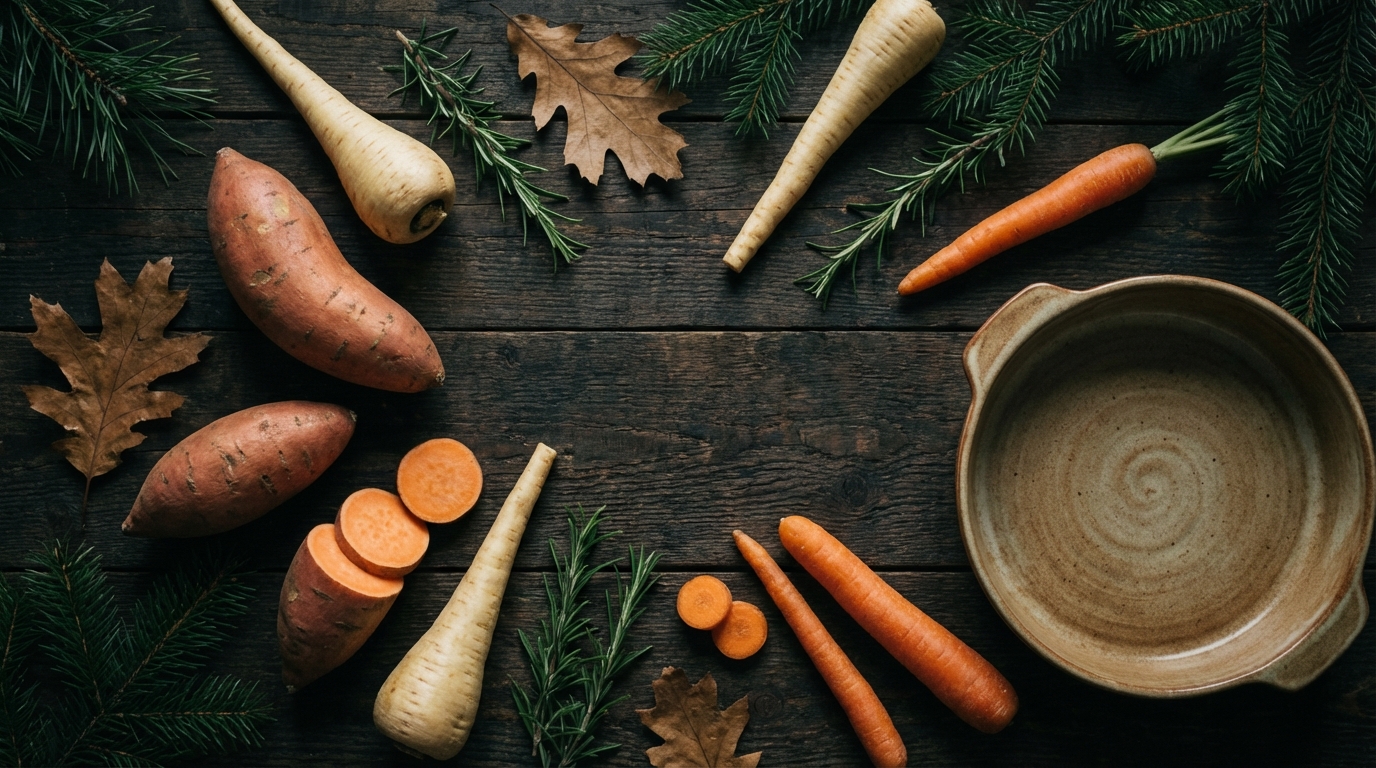
This is not your average potato side dish. By layering thinly sliced turnips, rutabagas, and sweet potatoes, you create a complex interplay of sweetness and earthiness. The key is uniform slicing—optimizing heat distribution—and a binder that enriches without overwhelming.
- The Bind: Heavy cream infused with garlic and nutmeg.
- The Structure: Alternating layers of orange sweet potato and white parsnip for visual contrast.
- The Finish: A blend of Gruyère and sharp cheddar for that essential Maillard reaction on top.
Protein & Pasture: Hearty Meat Bakes
For those long nights that require substantial fuel, incorporating protein into your bake transforms a side dish into a centerpiece. The beauty of the casserole is the melding of juices; as the protein cooks, it bastes the vegetables below.
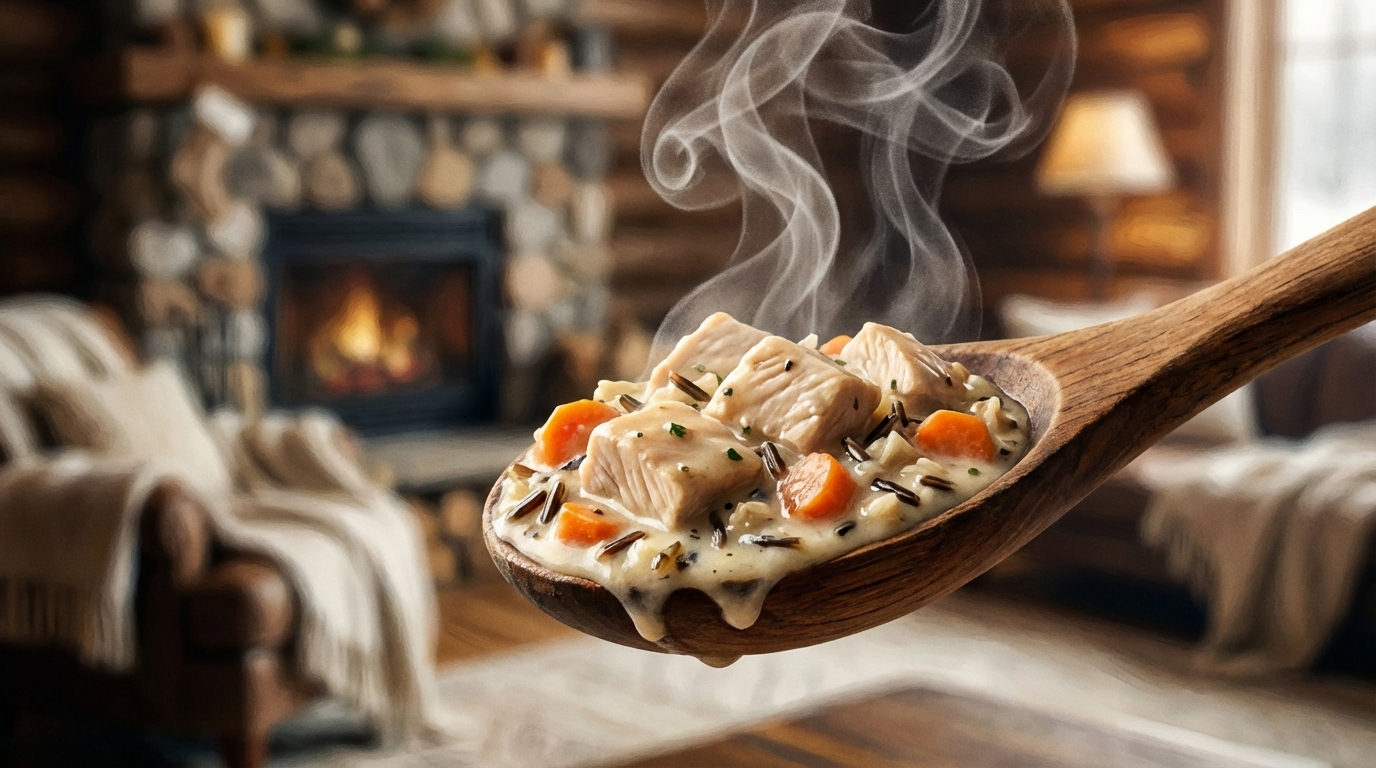
Consider a rustic Chicken and Wild Rice Bake. Unlike quick stovetop methods, baking allows the rice to absorb the chicken stock slowly, blooming with flavor. Pair this with woody herbs to maintain that forest-to-table aesthetic.
The Shepherd's Upgrade
Traditional Shepherd's Pie is a staple, but it can be modernized. Instead of standard mashed potatoes, try a Parsnip and Cauliflower Mash for the topping. It provides a sharper, nuttier flavor profile that cuts through the richness of the lamb or beef filling. It’s a lower-carb modification that sacrifices zero comfort.
Vegetarian Complexity
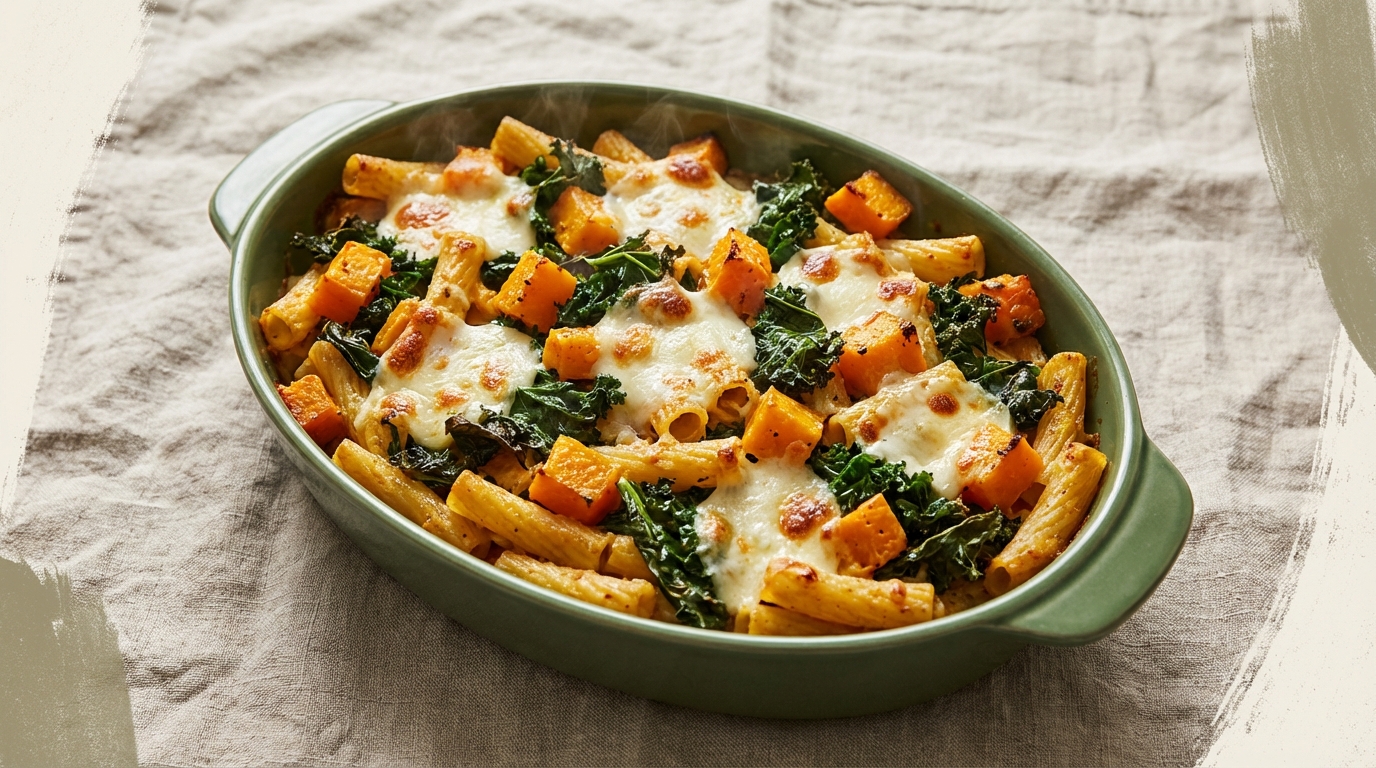
Vegetarian casseroles often suffer from a lack of texture. To combat this, we utilize roasted nuts and distinct cheese profiles. A Butternut Squash and Kale Pasta Bake brings vibrant color to the dark winter table. The bitterness of the kale balances the sugar of the squash, while a walnut-breadcrumb topping adds the necessary crunch.
Once the savory course is settled, the oven is already primed. It creates the perfect workflow to transition into baking Seasonal Winter Desserts, utilizing that residual heat for a spiced crumble or cobbler.
The Liquid Equation: Pairing Your Bake
A casserole is dense. To balance your palate, the accompanying beverage is crucial. Avoid overly heavy stouts or thick shakes. Instead, look for acidity or heat.
We recommend visiting our curated list of Warm Winter Drinks & Toddies. A hot spiced cider provides the acid needed to cut through a cheesy gratin, while a mulled wine complements the dark, savory notes of a beef stew casserole.
Conclusion: The Art of the One-Pot Meal
The casserole is more than just dinner; it is an exercise in efficiency and comfort. It minimizes the chaos of the kitchen, containing the mess within a single vessel, and delivers a collective dining experience that pulls the family together.
Whether you are braving a snowstorm or just the Tuesday commute, these baked dishes offer a reliable, delicious sanctuary. Preheat the oven, gather your roots, and let the heat do the work.