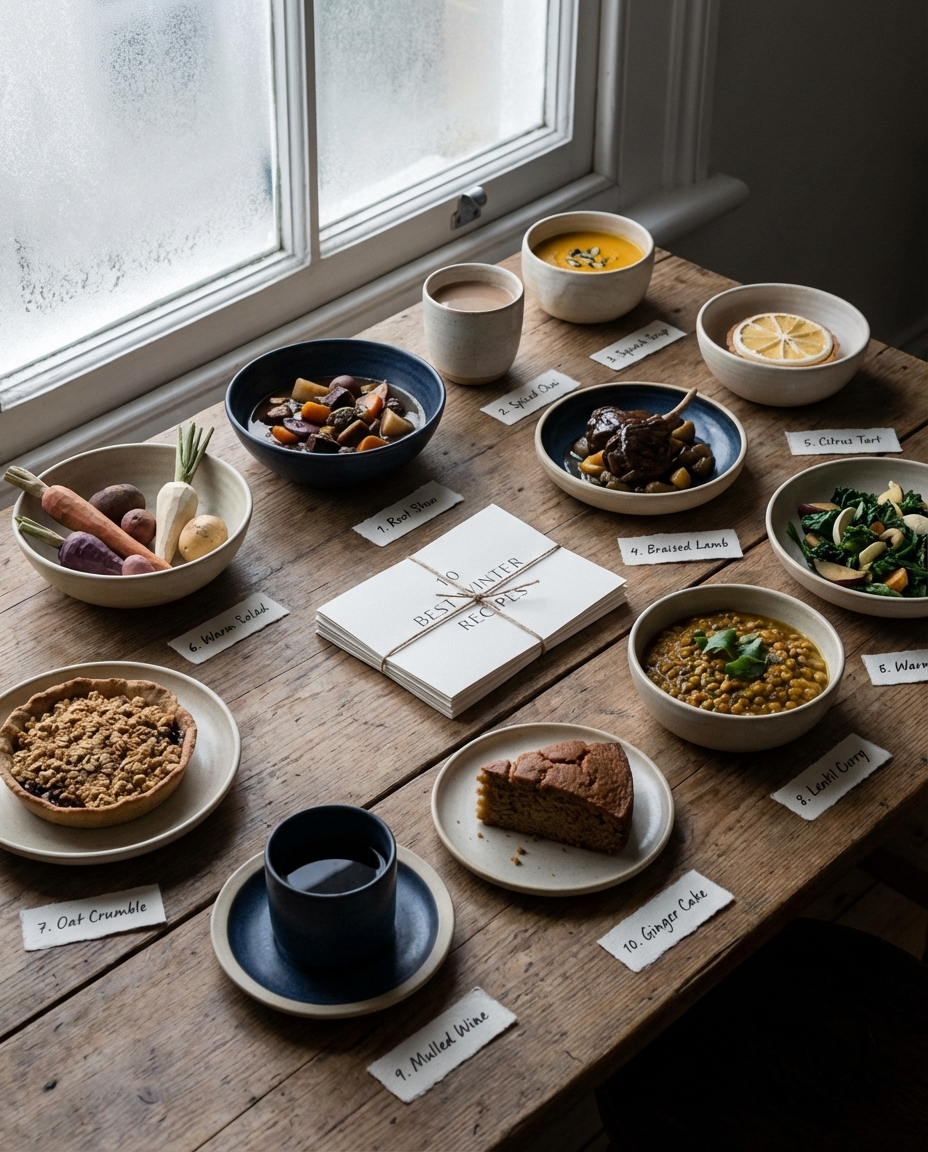
Winter cooking is an exercise in preservation and comfort. While summer celebrates the raw and the fresh, winter demands a different culinary architecture—one built on slow heat, preserved fruits, and the aromatic intensity of spices that have traveled continents.
In our Ultimate Guide to 10 best winter recipies, we explore the full spectrum of cold-weather dining. But the final course serves a specific purpose: it is the psychological hearth of the meal. A properly executed winter dessert does more than satisfy a craving; it warms you from the inside out, utilizing ingredients known for their thermogenic properties.
The Chemistry of Warming Spices
The backbone of any seasonal winter dessert lies in the spice cabinet. We aren't just looking for flavor here; we are looking for heat. Cinnamon, nutmeg, cloves, and ginger contain compounds like cinnamaldehyde and gingerol, which trigger receptors in our mouth that mimic the sensation of warmth.
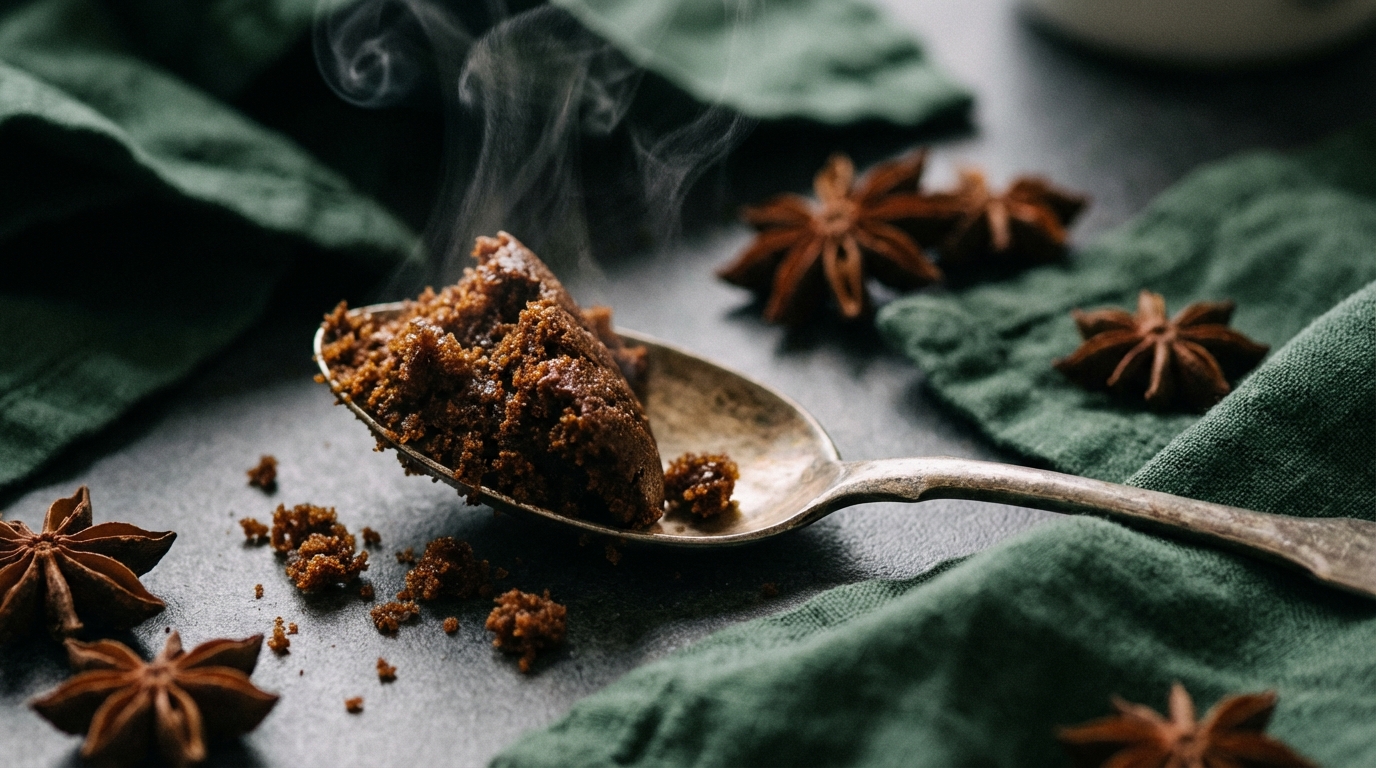
Consider the classic Gingerbread. It is dense, dark, and hums with a spicy energy that counteracts the lethargy of a grey sky. When baking spiced cakes or cookies this season, do not shy away from the black pepper or cardamom. These botanicals add a savory complexity that elevates a simple sweet treat into a sophisticated palate cleanser.
Orchard Fruits in the Cold
There is a misconception that winter is a barren season for produce. While the berries of July are gone, the winter orchard offers fruits with robust structures capable of withstanding heat. Pears, apples, and winter citrus are the protagonists here.
After enjoying a heavy main course, perhaps something like our Comforting Winter Casseroles, you may not want a heavy pastry. This is where the Poached Pear shines. Simmered in red wine, star anise, and a strip of orange zest, the pear transforms. It becomes tender, ruby-red, and infused with the very essence of the season. It balances sweetness with acidity, providing a lighter finish to a hearty meal.
Winter Citrus: The Bright Contrast
Don't overlook the blood orange or the Meyer lemon. A tart citrus curd or a dense olive oil citrus cake provides a necessary 'green' brightness in a season often dominated by brown foods. The acidity cuts through the richness of winter stews and roasts, resetting the palate.

The Dark Arts: Chocolate and Molasses
When the nights are longest, we naturally crave denser caloric sources. This is the time for high-percentage dark chocolate and sticky molasses. These ingredients offer deep, earthy flavor profiles that pair exceptionally well with the 'Forest' aesthetic of the season.
A Molten Chocolate Cake is a quintessential winter dessert. It relies on thermal contrast—the exterior is firm and cake-like, while the interior remains liquid and hot. It is an interactive dessert that requires immediate consumption.
Similarly, recipes utilizing molasses (like sticky toffee pudding) tap into caramelized, slightly bitter notes that prevent desserts from becoming cloyingly sweet. These rich desserts are best served after lighter meals, such as our Hearty Soups & Stews for Cold Nights, ensuring the meal ends on a high note of indulgence without overwhelming the diner.
Pairing with Liquid Warmth
No winter dessert is complete without its liquid counterpart. The interplay between a bite of spiced cake and a sip of a hot beverage is critical. The heat from the drink amplifies the volatile oils in the dessert's spices, making the cinnamon smell stronger and the ginger taste sharper.
We recommend visiting our guide on Warm Winter Drinks & Toddies to find the perfect match. A mulled wine pairs beautifully with fruit-based desserts, while a stout-spiked hot cocoa stands up to the intensity of dark chocolate.

Conclusion
Seasonal winter desserts are about more than sugar; they are about spices, temperature, and comfort. Whether you choose the botanical heat of ginger, the brightness of winter citrus, or the depth of dark chocolate, the goal is to create a moment of warmth in the depths of winter.